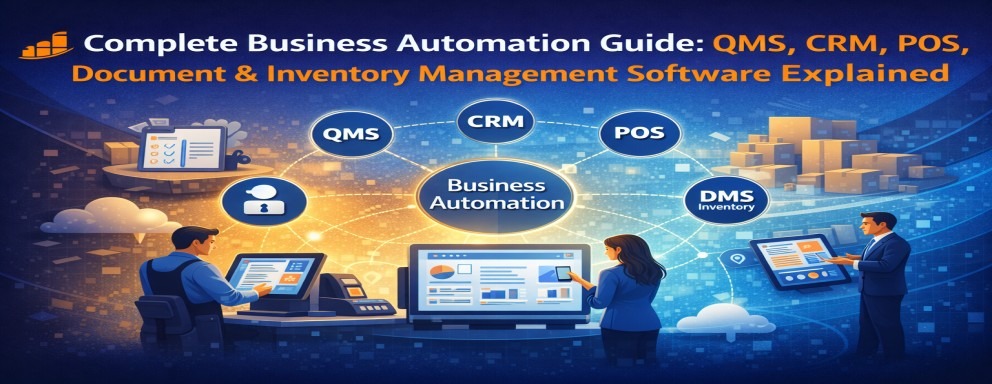
Complete Business Automation Guide: QMS, CRM, POS, Document & Inventory Management Software Explained

ML GLOBTECH
Mar 21, 2026
Modern organizations rely on structured systems to manage quality, operations, sales, and compliance. From a reliable Documents Management System to an advanced Quality Management System, businesses today need integrated tools that streamline processes and improve visibility. Whether you operate in manufacturing, retail, chemicals, or IT services, combining structured documentation, inventory tracking, and point-of-sale solutions can significantly enhance efficiency and reduce operational risks.
This comprehensive guide explains how each system works, why it matters, and how businesses can implement them strategically.
Why Business Automation Systems Matter
Manual processes often lead to:
Lost or duplicated documents
Inventory mismatches
Compliance risks
Inconsistent quality control
Data silos across departments
A structured ecosystem that includes an Enterprise Documents Management System, Business Inventory Management System, and Point of Sale Systems creates centralized control and operational transparency.
When systems communicate effectively, leadership gains accurate data for faster decision-making.
Documents Management System & Enterprise Documents Management System
What Is a Documents Management System?
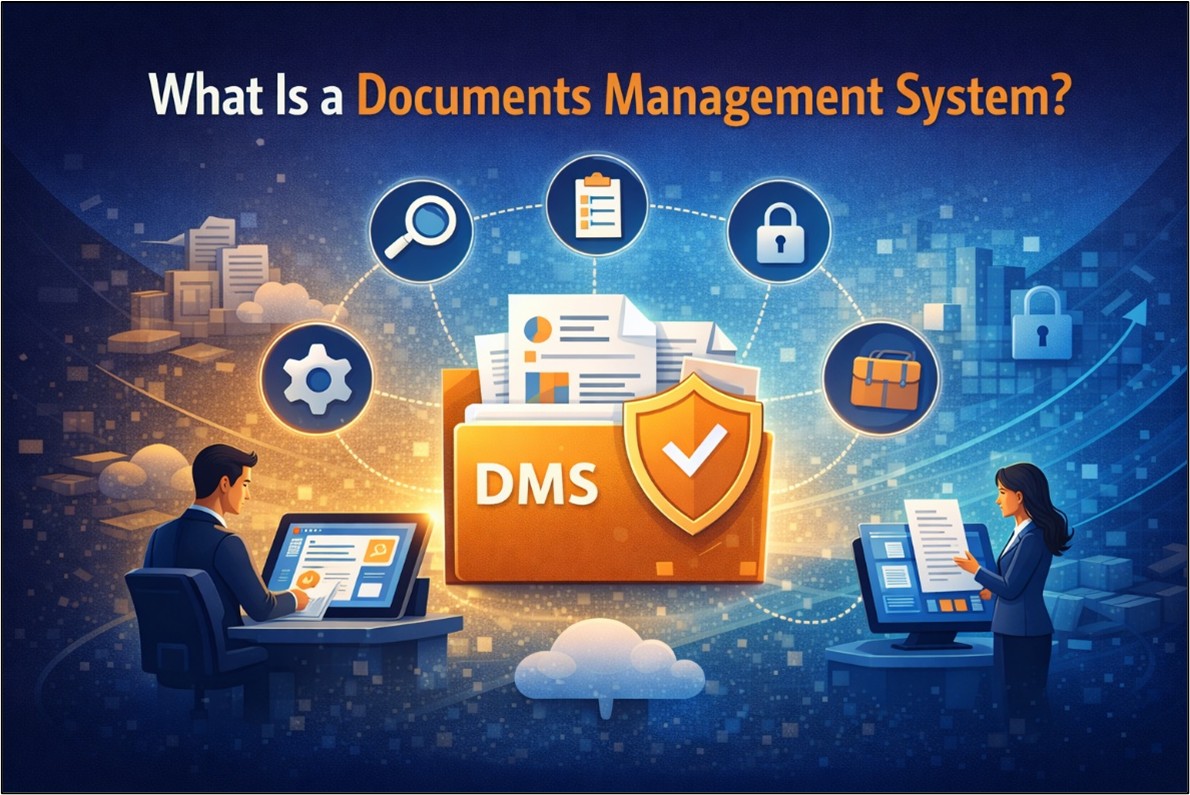
A Documents Management System is software designed to store, organize, retrieve, and control business documents digitally. It replaces scattered folders and manual paperwork with structured digital workflows.
An Enterprise Documents Management System expands this capability to large organizations with:
Multi-department access
Version control
Audit trails
Compliance tracking
Role-based permissions
Key Features of Effective Documents Storage and Management
Centralized document repository
Advanced search and indexing
Access control by role
Automated approval workflows
Secure cloud backup
For IT-driven organizations, an IT Document Management System becomes critical for handling technical documentation, SOPs, compliance files, and change management logs.
Practical Example
A manufacturing company managing quality reports manually may struggle during audits. With structured Documents Storage and Management, all reports, revisions, and approvals are traceable within seconds.
Quality Management System & Best Quality Management Software System
What Is a Quality Management System?
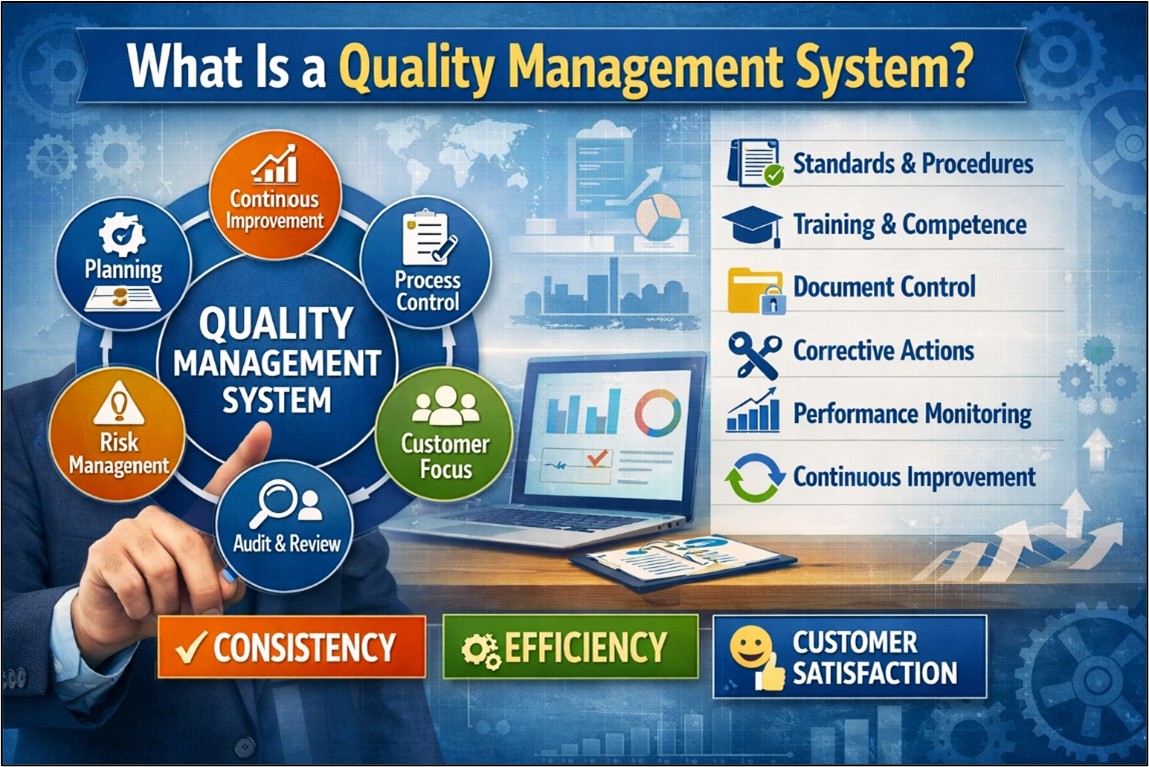
A Quality Management System (QMS) ensures that products and services consistently meet regulatory and customer requirements. It defines processes, controls, and documentation standards.
The Best Quality Management Software System includes digital tools for:
Audit management
Corrective and preventive actions (CAPA)
Risk assessment
Supplier quality management
Compliance documentation
Why Quality Systems Matter
Industries such as pharmaceuticals, manufacturing, and chemicals must comply with strict standards. A digital QMS helps by:
Reducing compliance gaps
Standardizing procedures
Improving accountability
Maintaining audit readiness
Implementation Tip
Start by mapping existing processes. Identify gaps in documentation and approval workflows before selecting a QMS solution.
Point of Sale Systems & Best POS System of Small Business
Understanding Point of Sale Systems
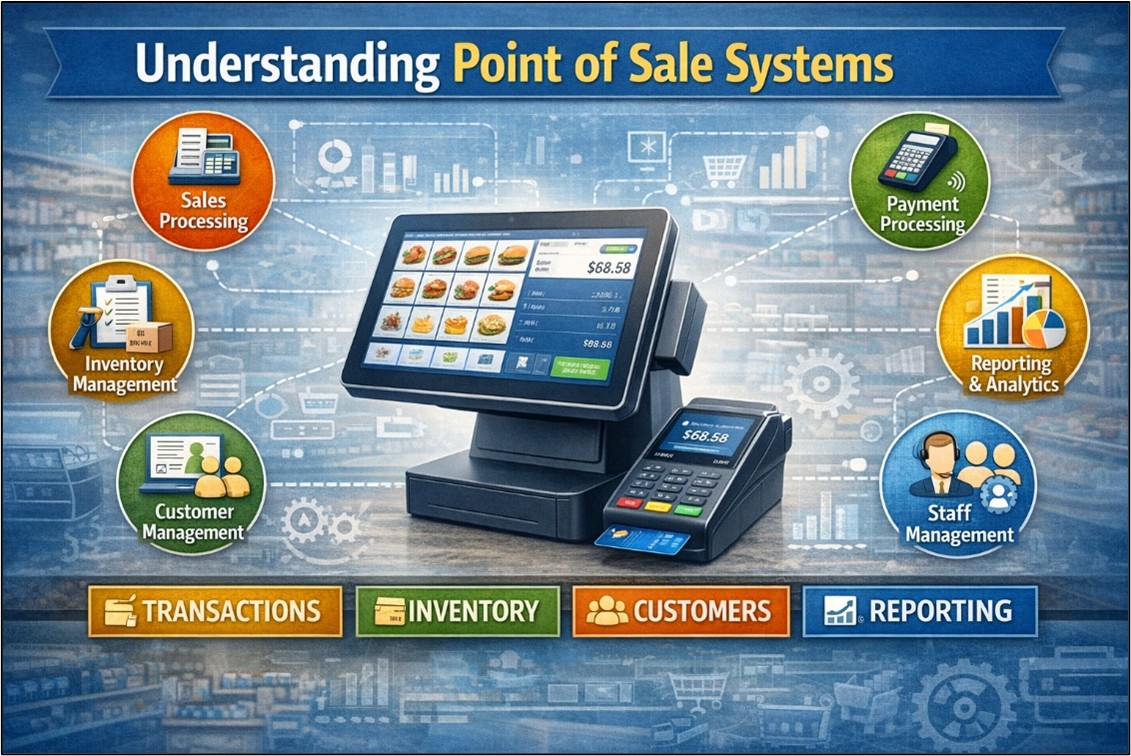
Point of Sale Systems are more than billing tools. They manage transactions, inventory levels, customer data, and sales reporting.
The Best POS System of Small Business typically includes:
Integrated inventory tracking
Real-time sales analytics
Multi-location management
Customer loyalty tracking
Barcode and receipt generation
Why Retailers Need an Integrated POS
Retail businesses often face stock-outs due to disconnected inventory records. A POS integrated with a Business Inventory Management System updates stock automatically after every sale.
Real-World Example
A retail store running seasonal promotions can track fast-moving products through POS analytics and reorder in time, avoiding revenue loss.
Chemical Inventory Management Software & Business Inventory Management System
What Is a Business Inventory Management System?
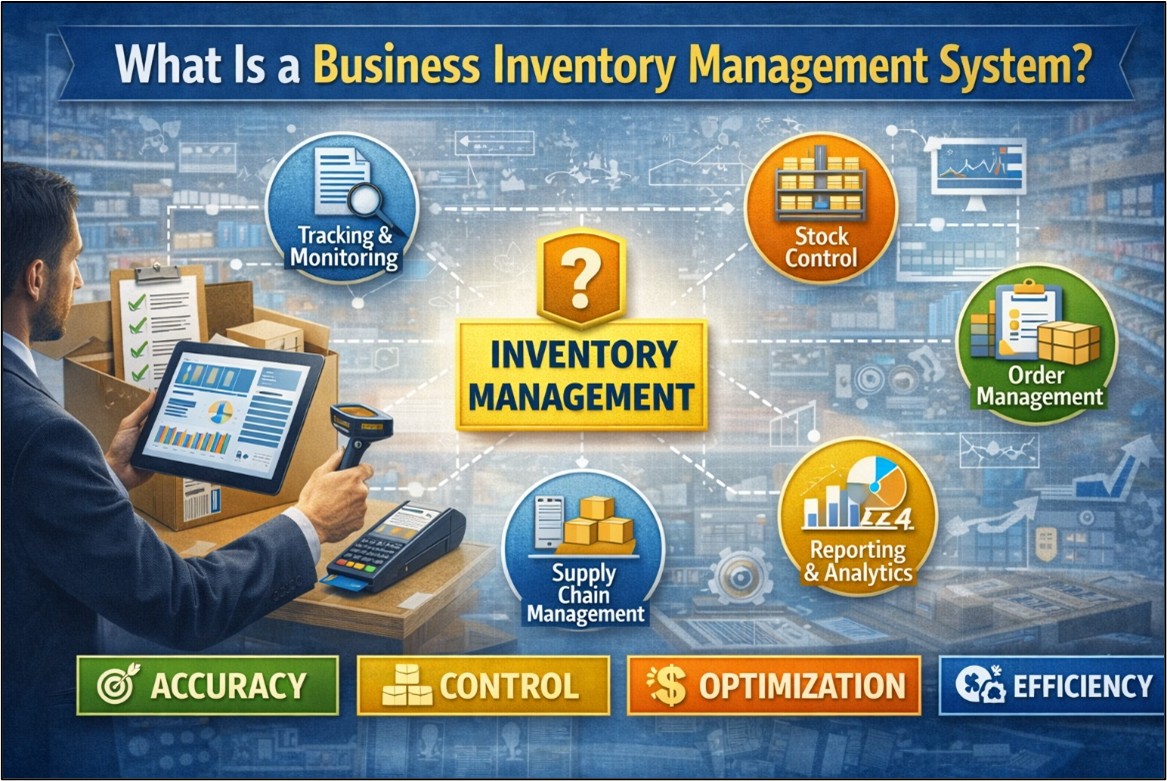
A Business Inventory Management System tracks stock levels, purchase orders, sales, and supplier information. It ensures optimal stock balance and reduces wastage.
For specialized industries, Chemical Inventory Management Software adds features like:
Hazard classification tracking
Batch and lot management
Regulatory compliance records
Expiry monitoring
Benefits of Inventory Management Systems
Reduced carrying costs
Improved forecasting
Enhanced supplier coordination
Accurate financial reporting
Best Practice
Implement automated alerts for low stock, expiry dates, or reorder levels. This prevents emergency procurement and compliance violations.
How These Systems Work Together
A truly optimized business environment connects:
Quality Management System → Ensures process consistency
Enterprise Documents Management System → Controls documentation
Business Inventory Management System → Tracks stock
Point of Sale Systems → Records transactions
Chemical Inventory Management Software → Handles regulated materials
Example of Integrated Workflow
A new product batch is created and logged in inventory.
Quality documentation is stored in the QMS.
Related SOPs are maintained in the IT Document Management System.
Sales transactions update inventory automatically via POS.
Reports are stored in centralized documents storage and management systems.
This structured flow eliminates duplication and enhances transparency.
Choosing the Right Software Stack
When evaluating systems, consider:
1. Scalability
Can the system support future growth and multiple branches?
2. Integration Capability
Does it connect with accounting, CRM, and ERP tools?
3. User Access Control
Does it allow role-based permissions?
4. Reporting & Analytics
Does it generate actionable business insights?
5. Compliance Features
Is it suitable for regulatory environments?
Organizations like MLGLOBTECH emphasize structured, modular systems that allow businesses to adopt solutions step-by-step instead of overwhelming transitions.
Common Challenges & How to Avoid Them
Poor Data Migration
Clean legacy data before transferring to new systems.
Lack of Staff Training
Conduct department-specific onboarding sessions.
Over-Complex Configuration
Start with essential modules and expand gradually.
Ignoring Reporting
Leverage analytics dashboards to monitor KPIs weekly.
Long-Term Strategic Advantages
Businesses implementing integrated systems often experience:
20–40% improvement in operational efficiency
Reduced documentation errors
Better audit outcomes
Stronger customer satisfaction
Improved decision-making through real-time dashboards
A structured digital foundation transforms reactive management into proactive planning.
Frequently Asked Questions
1. What is the difference between a Documents Management System and an Enterprise Documents Management System?
A Documents Management System handles digital file storage and organization. An Enterprise Documents Management System includes advanced features such as multi-department workflows, audit trails, compliance tools, and scalable access controls suitable for larger organizations.
2. How does a Quality Management System improve compliance?
A Quality Management System standardizes processes, maintains version-controlled documentation, tracks corrective actions, and ensures audit readiness. This reduces compliance gaps and improves regulatory adherence.
3. What makes the Best POS System of Small Business effective?
The best systems integrate sales tracking with inventory updates, customer management, and analytics. They provide real-time reporting and simplify daily retail operations without complex setup.
4. Why is Chemical Inventory Management Software necessary?
Chemical industries require strict tracking of hazardous materials, expiry dates, and regulatory documentation. Specialized software ensures compliance and reduces safety risks.
5. How can businesses integrate these systems efficiently?
Start with core operations like inventory and documentation. Then gradually integrate quality control and POS solutions. Choose scalable platforms that support API integration and centralized reporting.
Final Thoughts
A well-structured business ecosystem combining a Quality Management System, Enterprise Documents Management System, Business Inventory Management System, and Best Point of Sale Systems builds operational resilience. When documentation, inventory, compliance, and sales data operate in alignment, organizations gain clarity, efficiency, and measurable growth potential.
Investing in structured digital systems is not about complexity—it is about creating sustainable, scalable operations that support long-term success.